
B2B Product Launch in Agritech: Build the Story First
The product is finally ready. The commercial team booked a launch date. The trade show plan is in place and events are reserved. The marketing budget is approved.
Then the sales team gets inundated by questions. Growers ask how the product performs. Retailers ask what makes it different. Distributors ask which brand they are selling.
A B2B product launch in agritech doesn’t fail due to a lack of promotion; it typically fails because buyers encounter competing messages that create confusion, content that lacks data to support claims, and a website designed as a beautiful branded brochure that cannot answer their questions. A digital brand strategy refresh closes that gap before you spend a dollar on promotion.
Why Launch Budgets Go to the Wrong Place?
Launch plans fund visibility: ads, events, and press. Buyers, meanwhile, do much of their evaluation without you.
Gartner finds B2B buyers complete complex purchases when digital channels and sales conversations give them consistent, complementary information. Gartner also reports that buyers often find supplier content neither memorable nor valuable. More promotion only sends more buyers into that gap. A launch that reaches more people with a split story simply scales the confusion.
Agritech raises the stakes. Buyers span growers, retailers, and distributors, and each group asks different questions about performance, sustainability, and margin.
What Ostara Showed About a B2B Product Launch in Agritech
When Ostara rebranded from water treatment to fertilizer, Crystal Green fertilizer lost the wastewater recovery story behind its sustainability case. The company also ran two separate websites.
Pace Strategy consolidated the brand and built an education hub salespeople could send to prospects. The new brand then launched in Canada and expanded into the United States. Time on site rose 150%. In addition, the company saw a 40% increase in qualified leads and a considerable improvement in sales conversion rates within the first year. Market share grew in target regions, and sales teams reported stronger engagement from better-informed prospects. The sequence mattered: story and content came first, then the market launch.
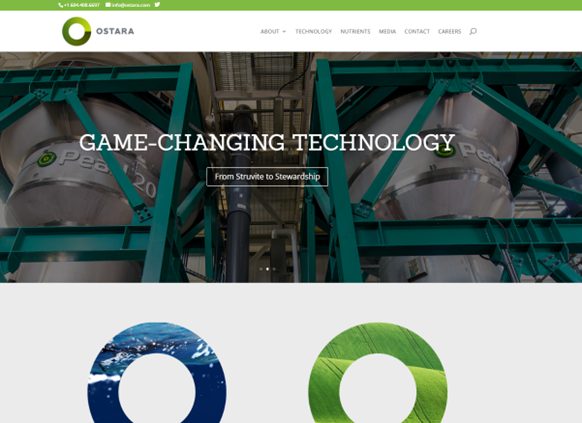
The case study details the full process and results.
How to Sequence a Digital Brand Strategy Refresh
Treat the refresh as launch infrastructure, not a design project. Work in this order:
- Agree on one commercial story. Define what the product changes for each buyer group, then retire competing versions across websites, decks, and packaging.
- Map content to buying questions. Start by interviewing sales and customer support teams to gather the most frequent questions and objections that come up during the buying process. Review CRM notes, recent proposals, and call transcripts to validate which questions truly stall deals. Arrange these questions by frequency and impact on moving buyers forward. Then, build clear, targeted answers that move the buyer journey forward.
- Make expertise findable. Structure the website around those questions, not the organization chart.
- Connect systems to pipeline. Integrate your website, CRM, lead forms, and analytics tools so you can capture, track, and route launch demand before promotion starts. Set up workflows to feed new leads from web forms into your CRM, configure email alerts for the sales team, and confirm tracking is in place to measure and refine campaign performance.
Fund promotion only after these four steps. Each campaign dollar then sends buyers to answers, not gaps.
The launch date is not the deadline that matters. The real deadline is the day a buying group first compares you with the supplier it already trusts. That comparison happens online, often before your sales team knows it started.
If you are planning a B2B product launch in agritech, start with a marketing audit. It shows whether your story, content, and systems are ready before you move the budget.
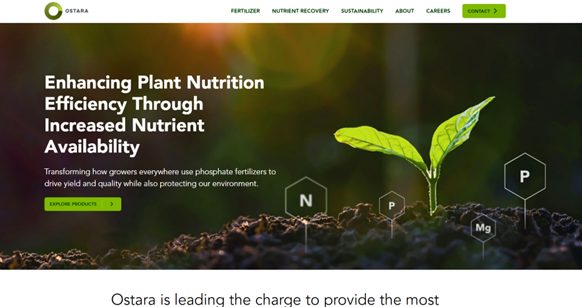
Ostara’s website as of 2023
Frequently Asked Questions
What should come first in an agritech B2B product launch?
Start with one consistent commercial story and the content that answers buyer questions. Fund ads, events, and press only after buyers can find and share those answers online.
- Strategy: Define the problem the product solves for each buyer type and what it changes for growers, retailers, and distributors.
- Content: Build answers to the questions that stall deals today.
- Promotion: Launch campaigns once the website can carry buyers to a decision.
When does a company need a digital brand strategy refresh?
A company needs a digital brand strategy refresh when a rebrand, new product, or new market leaves buyers facing competing stories, outdated content, or a website sales avoids sharing.
- Rebrand: The business model changed, but the digital story did not.
- Fragmentation: Separate websites or product brands split buyer attention.
- Sales avoidance: Reps build their own materials because the website does not help them sell.
How does Pace Strategy’s approach differ from other digital marketing agencies in agritech?
Pace Strategy starts with the business problem, such as a split brand story or long sales cycle, then aligns brand, content, search, and technology to that revenue goal.
- Business first: Work begins with the commercial gap, not a design brief.
- Built for sales: Content is written as assets salespeople send prospects between conversations.
- One integrated team: Strategy, writing, SEO, design, and development run as a single program.
What are the first steps to refresh a digital brand strategy?
Define the commercial goal first. Then audit your channels, content, and systems, evaluated against the questions buyers ask, and fix consistency gaps before funding new promotion or campaigns.
- Set the goal: Name the market, product, and revenue outcome the refresh must support.
- Audit what exists: Inventory websites, content, and data to find conflicting or missing stories.
- Talk to sales: List the questions prospects ask most and the stages where deals stall. For example, growers may ask about expected yield improvements, compatibility with current practices, or product safety for soil and crops. Retailers often want to know about shelf life, how the product differs from competing products, and available marketing support. Distributors might ask about margins, supply reliability, and training for their sales teams. Use these sample questions to start your own list, customizing content to address the real concerns each buyer group brings to the table.
- Get an outside view: A marketing audit is a good first step to benchmark where marketing supports revenue today.

How We Helped Contino Unveil a Digital Growth Strategy to Accelerate their Market Expansion
As the healthcare landscape becomes more competetive, MedTech companies need to have a predictable growth framework to guarantee success. For sophisticated MedTech marketers, a... The B2B Marketing Consultant Manifesto: What We Believe
When a marketing agency promises to help you stand out, most try to sell you more: more posts, more booths, more emails. We believe “more” is often the problem, not the sol...